Author Archives: Amy Farr Robertson

Unknown's avatar

About Amy Farr Robertson

Civil Rights Lawyer. Dog Lover. Smartass.

Travelogue 1984: Taiwan and China

My father was a prolific letter-writer. What follows is an excerpt from his letter to – of all people – my mother’s aunt and uncle in March 1984, describing his travel to visit me in Taiwan and then our travel together to Mainland China. The letter concludes with my brother’s news, which I leave to him to share verbatim but which details his upcoming college graduation, potential graduate program with showers of fellowship money, and his choice between that and a job offer “at an outrageous rate of pay.”


March 22, 1984

Dear Ben and Brenda:

It has been so long since I have had a chance to either visit with you or write but I thought it was about time to bring you up-to-date on our news. As you know, Amy is spending the year in Taiwan on her Fulbright/ITT scholarship studying Chinese law. I had a chance to visit her over Christmas for an excursion that took us to Hong Kong and the Mainland; and Ruth went for a somewhat longer visit at the end of January and they had an opportunity to go to half a dozen Asian countries.

I delivered a lecture at one of the law schools in Taiwan which Amy arranged. She and I had a great deal of fun working out the potential translation with the law professor who was both our host and our translator.

We decided to experiment to determine whether it is possible to visit Mainland China without either advance preparations or a formal tour; I am pleased to report that it is possible. A travel agent in Hong Kong (a friend of a friend of a friend of Amy’s in Taiwan) got us a visa in only 24 hours. We then went to the Hong Kong railroad station, and took a train to Canton.

In Canton we went to the airport and purchased an airplane ticket to Guilin. Actually this stage wasn’t quite that simple. We first went to the downtown ticket office which told us nothing was available. It was the cab driver who said that we should ignore those bureaucrats and go to the airport because “something is always available.” He was right, at the airport Amy walked right up to the counter, purchased two tickets, and we got on our Boeing 737 and were on the way to Guilin and some of the most picturesque scenery in all of China. (I have since learned that they hold half the seats for government officials and release them at the last minute if nobody shows.)

We arrived in Guilin at about 8 in the evening, took the local bus into town, got off the bus, and walked six or eight blocks in the darkness to a hotel which had been recommended to us; and walked in and rented a room.

We were only there three days but, frankly, it was one of the most fun adventures I have ever had on a foreign trip. We rented bicycles and spent two full days touring around the countryside. On the first day we stumbled into a small village which was actually a teachers training college for students who would teach English. We spent three delightful hours with several students eating rice and stew warmed over a small charcoal grill in the middle of their dorm room — 55 unheated degrees. They had seen us bicycling through the village and had stopped us in order to practice their English. One of the most moving moments was when one the students, after having shown us his standard text with its typical English language sentences such as “the neighborhood committee assures that all the peasants carry out the teachings of the party leaders” (why, I use that vocabulary at least twice a day), proudly took a paperback biography of George Washington out of the back of his desk. It was dog-eared and obviously heavily read.

The next day we bicycled in a different direction and ended up following a road that turned into a smaller road that turned into a smaller unpaved road that turned into an even smaller, smaller dirt road that turned into a path that turned into a narrower path that ended up winding us for three or four miles literally down a two foot wide path among the farmers’ fields and provided us with an excellent opportunity to observe the agricultural process at very close range.

I sometimes wonder what Chinese peasants must have thought when they looked up and saw this American on a bicycle with a three piece pin striped suit, white shirt and tie, riding down a path through their fields. Actually, my fantasies were even greater when we passed a railroad crossing. I thought of some American tourist on a packaged tour traveling first class through China babbling on to his/her spouse about the “picturesque little peasants” when suddenly he flashed by this grade crossing on one of these country lanes and saw this American male in a three-piece pin striped suit on a bicycle and turned to his wife (whose attention meanwhile has wandered) to describe what he had seen; and received a “that’s right, dear” in a Thurberesquet so-you-heard-a-seal-bark tone of voice.

I thought you might enjoy a miscellaneous collection of some of our more interesting photographs and I am enclosing several:

[Amy’s note – my copy of the letter did not include the photos, but I think I’ve identified them and include them here. I have not included alt text as my father describes them below. In each, I am a mid-20s white woman with a really bad perm; my father is a late-40s white man in, yes, a pin striped suit.]

1. Amy cooking New Years dinner in Taiwan.

Amy in gray sweater stirring something in a kitchen .

2. Amy buying plane ticket in Canton as we leave for Guilin.

3. Amy arriving Guilin — note the characteristic mountains in the background. They really do have mountains like we see in the paintings. But then New England Lobster Villages really do look like the paintings — I don’t know what I expected.

4. Biking in Guilin.

5. Street side library in Guilin. Brenda, as a librarian, I thought you would find this of particular interest. Note the books hanging on a clothesline, the rack of books in the back left-hand corner as you face it, and another rack of books up front. As near as we could figure out they actually pay a small fee for the privilege of sitting and reading these books.

6. Amy looking at typical Guilin scene. [Couldn’t find this one.]

7. Amy and friend Ben from Taiwan. [Editorial privilege not to include photo of long-ago ex-boyfriend.]

8. Amy and the students we met in Mainland.

9. A local fisherman near Guilin balancing on his boat (which consisted of four long bamboo logs tied together and was not much different than balancing on a floating large sized diving board) as he strung out his nets. He sculled backwards with an oar in his right hand while feeding out some 200 yards of net from his left hand in a pattern that went back and forth across the river about eight times. Why, you might ask would one need eight separate layers of net. to catch fish coming down the river? Answer, the fish aren’t coming down the river.  The fish live in a cave on the bottom of the river and after the nets are strung out the fisherman makes noise and scares the fish out of the cave and they come up in between the various webs of the net rather than being trapped by swimming into the net end wise. I wished I could have taken a movie of this operation because the grace with which he sculled backward with his right arm, fed the mass of net out neatly with his left hand, while balancing on his diving board all the while was astounding.

Soon after I got back from China, Ruth went over and spent several days with Amy in Taiwan and they then spent close to two weeks traveling to a number of countries and ending up in Singapore on the Washington birthday weekend. Just as they were about to leave their hotel for the airport Amy’s pocketbook with tickets, money, passport, credit cards and camera was stolen and she had to remain behind to obtain replacements when Ruth headed out. Amy is apparently a miracle worker or, at least, has figured out how to function in the Asian culture. She was able to get replacement tickets without paying for them, (it usually takes four months); get the American Embassy to open up on Washington’s birthday and replace her passport (it usually takes three days and cannot start until after the holiday); and she made arrangements through the law firm where she works in Taiwan to get somebody who lives in Singapore to lend her $1000 cash American money. She spent three days dealing with these loose ends and then headed back to Taiwan — her adventure over. I think poor Ruth suffered worse — what with the imperative of her own plane schedule meaning that she had to go to the airport and leave Amy behind within an hour after the theft. Even though Amy was doing very well, Ruth was isolated on a plane for eight hours and she had no way to know that things were working out ok.


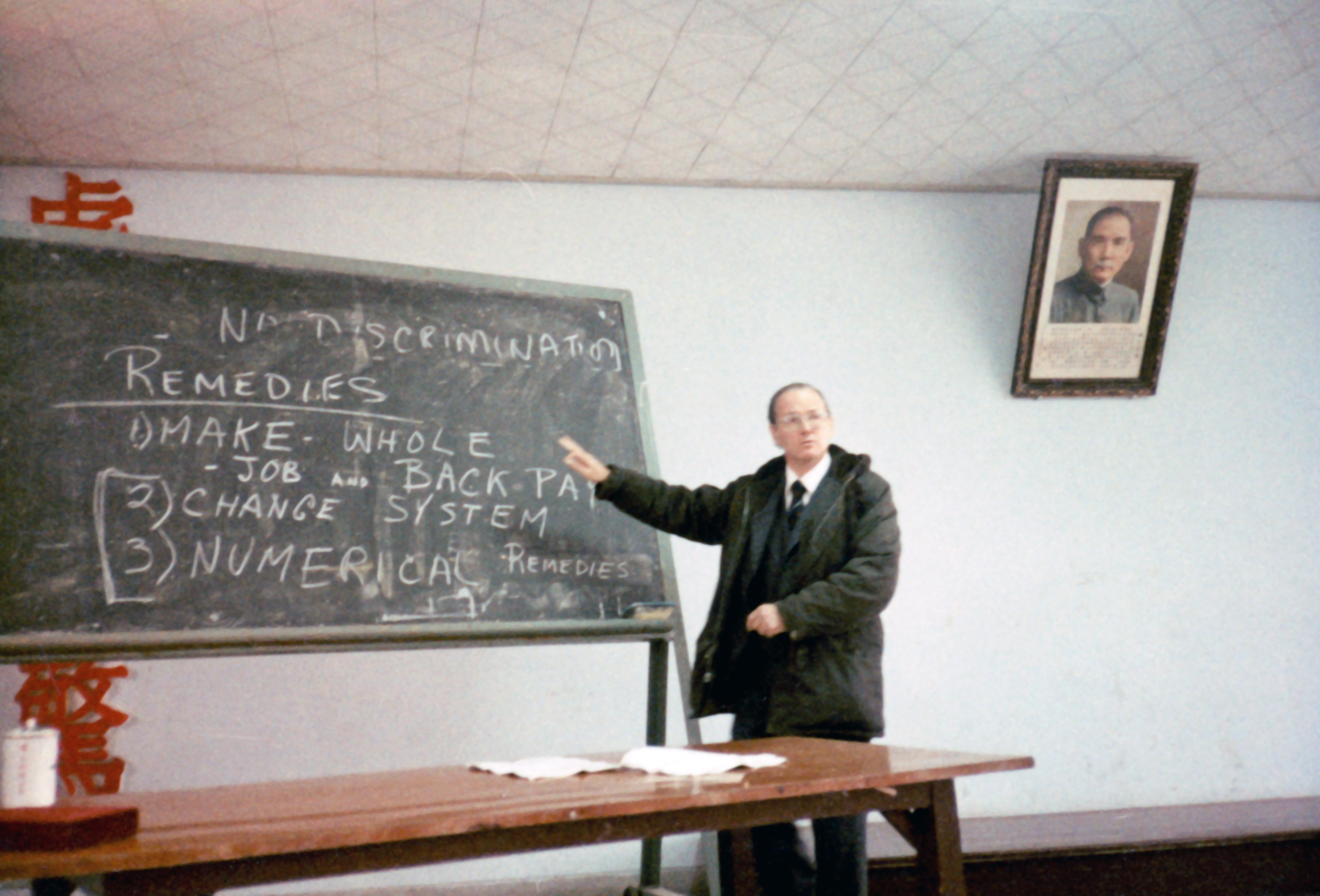
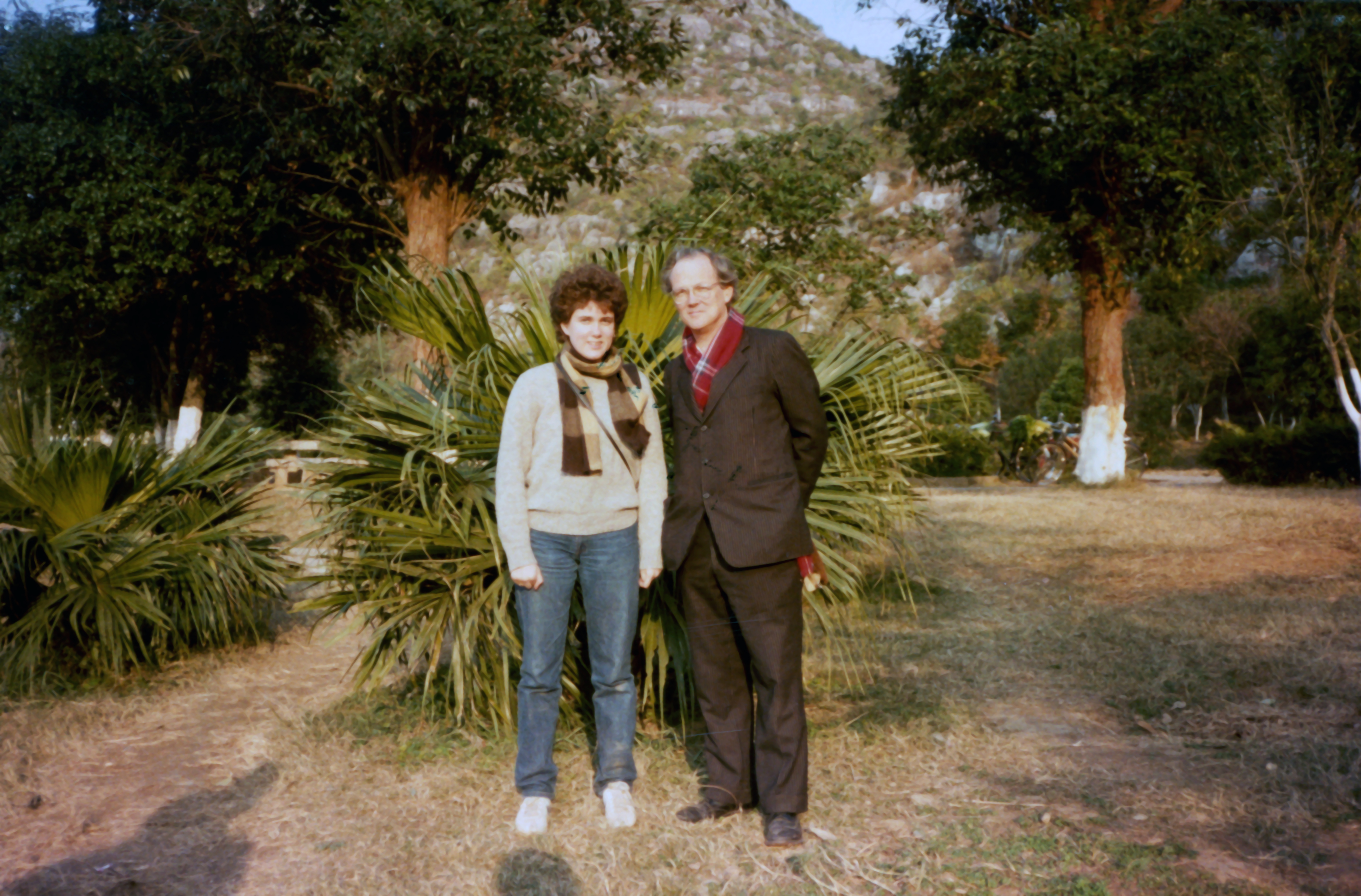
Amy here, adding two more photos. First, my father teaching the law school class he discussed in the letter. He is bundled in a winter coat, as Taiwanese classrooms were not generally heated, and is pointing to a blackboard with notes of anti-discrimination remedies. A photo of Sun Yat-sen is hanging high on the wall on the right. The second photo is of my father and me in Guilin, possibly the two dorkiest American tourists ever to visit China.
Amy and Peter posing in front of a tree.

Pete, Gavin, Rahm: Trans people deserve our respect and full legal protection to be – and participate in society as – who they are. And we deserve a Dem who gets this.

There have been a rash of chickenshit Dems stepping back from full support for trans rights – against the terrifying backdrop of Trump administration cruelty and legacy media pseudo-scientific, pearl-clutching anti-trans polemics. This is appalling. Right at the point where Trump is failing on so many fronts, and where they should be preparing for a 2028 campaign laser focused on Trump’s destruction and looting of our economy, his grotesque personal failings, and the band of bozos he has put in charge of our government, we see Sistah Souljah-level circular firing squad on basic values. 

We will win by having spines, calling bullshit, bringing flamethrowers to knife fights,* attending and heckling at red state town halls, and clearly enunciating policies that will make people’s lives better. 

So here is my personal list of the trans-rights-related principles that I will expect in our Democratic nominee:

  1. Trans women are women; trans men are men; non-binary people are non-binary.
  2. Call people by the names and pronouns they prefer.  This issue has the highest noise to signal ratio in all of politics right now.  If Michael says “call me Mike,” call him Mike.  If Michael says “call me Ann,” call her Ann. See how easy that is?   
  3. Trans women should use women’s restrooms and trans men should use men’s restrooms.  Do you really care who is peeing in the next stall over?  Really? And if we we’re worried about assault, we need to start by protecting women from the conservative white dudes who keep assaulting them, not trans women needing the restroom.
  4. People should compete on sports teams aligned with their actual gender, that is they ones they themselves identify, whether or not it lines up with the one on their birth certificate. First of all – and I know this will be the most controversial thing in this post – they’re just games!  I know the science supports the concept that trans women who have taken the generally prescribed hormones will no longer have an advantage over AFAB women but fundamentally, these are kids playing kids’ games. Let them play.  At the more elite levels, the concept that hormones are the only advantages is laughable. People win Olympic medals because they have physically extreme bodies and all the time, money, and sponsorship necessary to exploit those physical advantages. I will never be in the WNBA not because it’s full of trans women but because I’m 5’2″.

So Pete Buttigieg, Gavin Newsom, Rahm Emmanuel listen up:

We are the party of human and civil rights.  We will not win by diluting this.  Apologize for your lapse, embrace full rights for our trans siblings, and fight like hell for our country.


*It’s a metaphor — to clarify before the FBI knocks.

Officially a “Lawyers Behaving Badly” Fangirl Blog

I discovered the podcast Lawyers Behaving Badly in late January and it’s fair to say that they are the major force saving me from despair in some pretty hairy personal and national political times.

When I discovered the podcast — through a link to their delicious episode on Tom Goldstein — I posted to Bluesky:

So glad I found @badlawyerpod.bsky.social – they talk about law like we do: with all the snark and plenty of f-bombs. Thank you @jdotj.bsky.social and @gokp.bsky.social And this episode is 🤯

JJ and Karen are two lawyers with solidly corporate/defense-side careers and the sort of rollicking sense of humor about our profession that is sadly rare. They laugh at the stuffed shirts. They swear almost as much as I do. They provide hilarious examples of lawyers doing stupid, unethical things on an often unimaginable scale. They remind us never to have imposter syndrome.

I’ve actually found their corporate employment lawyer perspective interesting, as they announce that they would have counseled their client to do anything but, or laugh at the e-discovery searches involved in . . . well you really need to listen to the episode. Billionaires and tech bros (and, of course, their lawyers) are juicy targets and laughing at them is so very cathartic in these bizarre times.

Bottom line: check them out, especially if you’re a lawyer and even more if you’re a woman in our humorless profession.

Note: posting twice in one day! Does this mean I plan to blog more often? Yes! Does this mean at least one of these posts was sitting forgotten in draft for a few months? Also yes!

Performative Reminders

Is it possible to turn off the social media reminders that if I wondered what I’d have done during [some other appalling moment in history], that I should not wonder anymore because I’m doing it now, also that my silence is complicity, and that I will be remembered if I sit on the sidelines, and – now that I’m trying to do all the things I would have done during [that other appalling moment in history], not being silent, and getting off the sidelines – that I should be sure to rest.

I know these things. I knew them before the reminders and – thanks! – I really remember them now. But my timeline remains full of these reminders and ALL THAT DOES IS MAKE ME ANXIOUS. It does not increase my effectiveness in resisting the current appalling moment in history.

So, let’s move on to more effective performative reminders. Thanks!

Discrimination “in a manner consistent with Biblical principles.”

Hobby Lobby went to the Supreme Court to avoid covering contraception for its female employees because … Christian! Then they had their lawyers defend discrimination against a customer with an intellectual disability.  Christian?

The company told the Supreme Court that

Hobby Lobby’s statement of purpose commits the [owners] to “[h]onoring the Lord in all [they] do by operating the company in a manner consistent with Biblical principles.” Each family member has signed a pledge to run the businesses in accordance with the family’s religious beliefs and to use the family assets to support Christian ministries. … The businesses refuse to engage in profitable transactions that facilitate or promote alcohol use; they contribute profits to Christian missionaries and ministries; and they buy hundreds of full-page newspaper ads inviting people to “know Jesus as Lord and Savior.”1

I bet you’re all wondering how those Biblical principles applied to a Hobby Lobby customer with an intellectual disability. Fellowship? A bit of adaptive Bible study? Common courtesy? Nope.

Following a decade of friendly interaction and accommodation, the store got a new manager.2

[Plaintiff Charles] George asked a cashier to tally the cost of certain items and said that he would return later in the day when he had the money to pay. George alleges that [Manager Heather] Ford told him he could not do that because the “cashiers are wasting time on” him and that if he continued to ask for help she was going to call the police. Ford also supposedly stated that she wanted George “to stay out of this store and off of the property never to come back.”3

New manager Heather Ford, rather than continue to accommodate Mr. George’s intellectual disability, called the police. I’d love to hear from Hobby Lobby how this constitutes “operating the company in a manner consistent with Biblical principles.”

My fellow ADA nerds will be either shocked or relieved to know that the court held Mr. George had stated a claim under Title III:

George has alleged sufficient facts to state a Title III ADA claim and he has standing to pursue it. It is undisputed that George has a disability, and that Hobby Lobby is a place of public accommodation. And George has alleged that Hobby Lobby, through Ford, discriminated against him because of his intellectual disability by refusing to provide an allegedly reasonable accommodation (tallying items) that it had provided to him in the past. Further, George has alleged that he would return to Hobby Lobby’s store if he could, which is sufficient for standing.4

A very long time ago (2010) I suggested a new rule for the Federal Rules of Civil Procedure:  Rule 1.5 “Don’t be a dick.”  Given our current fraught legal times, I propose another addition:  Rule 30.1 “Deposition to Call Bullshit.”  Under Rule 30.1, any member of the bar can notice the deposition of a litigant in any case to make its hypocrisy a matter of record. 


  1. Burwell v. Hobby Lobby Stores, Inc., 573 U.S. 682, 703 (2014) (emphasis added; internal citations omitted). ↩︎
  2. Seasoned civil rights lawyers will now hear “Jaws” theme music in their heads. “Then they hired a new manager” is how the vast majority of civil rights intake interviews start. ↩︎
  3. George v. Hobby Lobby Stores, Inc., — F. Supp. 3d —, 2025 WL 721312, at *1 (E.D. La. Mar. 6, 2025). ↩︎
  4. Id. at *5. ↩︎

A Brush With History or Driving Sen. Aquino

In my ongoing family scanning project, I came across my date books from 1978 to 1996. They’re a weird sort of bullet-point version of my life from college through the first few years of my legal career. Here’s one entry reflecting a day that has stuck with me ever since.

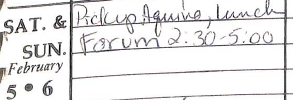
In February, 1983, during my senior year at Swarthmore, I worked with a bunch of other students to put on a forum on human rights in Asia with speeches by dissidents from Korea, Taiwan, and the Philippines.* One of the speakers was Benigno Aquino, a former senator and dissident from the Philippines.

Handwritten calendar entry for "Sat & Sun February 5-6" that reads "Pick up Aquino, lunch, Forum 2:30-5:00."

As it turned out, a student was needed to drive Sen. Aquino to and from the Philadelphia airport. I volunteered, borrowed a car**, and got to spend several hours with this brilliant and engaging man. Forty years later, I don’t recall what we talked about, but I recall his charisma and his determination to do right by his country.

Six months later, he would be dead, shot on the tarmac when he arrived back in his beloved country.

I’m so very grateful for the privilege of those couple of hours of conversation.


*H/t Matt Sommer for remembering details I had forgotten.

** I borrowed Adam Greene’s car and somehow managed to break an entire bottle of red wine in the backseat footwell. I can’t believe they would have given the extra wine to a student, but somehow I ended up transporting it, took a sharp turn and created a huge mess. I’m confident Adam is not among my single-digit readership, but 40 years later, I’m still very very sorry, Adam!

Tech Advice You Didn’t Know You Needed But You Do.

As my five or six regular readers know, my husband and I are a small plaintiffs’ civil rights firm. From our founding in 1996, we have leveraged technology to be able to take on much bigger firms representing enormous companies.  In 1996, this meant spending most of our monthly budget on a Westlaw subscription and investing in the discovery management program used by the biglaw firm where we met. In my personal experience, it also helps to marry a database nerd, as Tim adopted — and then taught me to use — Microsoft Access early on, and databases have been a crucial tool in all of our large cases.

Here are five applications that I love and use regularly and that continue to be essential to our success as a small firm: Airtable; CaseFleet; aBreevy8; Workflowy; and Bulk Rename Utility.

Airtable

Airtable is a basic relational database platform that I use for a very wide variety of purposes, from tracking billable time (linking people to cases to rates) to listing the book series I’ve read and want to read (linking books to authors to series).  Airtable is not as powerful as MS Access, but Access is not shareable and Airtable is both shareable — it exists entirely online — and much easier to learn and efficient to use.  Although the platform promotes many other uses — for example, project and inventory management — I use it to organize data into related tables, and then quickly and easily sort, filter, and query the data. For example, in most of our prison cases, I’ll set up a “people” table with the incarcerated individuals we’re working with, and an “events” table that tracks key events in the case, linked to the relevant people.  It’s easy to add ad hoc tables, for example, in a current case, we served over 600 requests for admission which later turned into undisputed facts in support of summary judgment. I have tables linking people to events to RFAs to undisputed facts, which was incredibly useful in drafting our summary judgment motion. Indeed, Airtable and our wonderful paralegal can be credited for this shout-out in the Court’s decision granting partial summary judgment to our clients, Disability Rights Tennessee and several Deaf individuals in custody of the Tennessee Department of Correction:

[P]laintiffs’ voluminous spreadsheet of incidents . . . confirm that what is at issue in this case, at least as far as interpreters are concerned, is not isolated incidents, but a pervasive and continuing approach to when ASL-reliant deaf inmates will or will not be granted access to interpreters.

Trivette v. Tennessee Dep’t of Correction, No. 3:20-CV-00276, 2024 WL 3366335, at *18 (M.D. Tenn. July 9, 2024).

It’s also easy to set up different “views” of the data, so once you’ve filtered or sorted in specific ways, you can save that view, go back to seeing the entire table, and not have to redo the filter each time you want to see it. This also prevents the shout from across the small office, “hey! who filtered the database?!”

Since I can’t share any firm-related views, here is a snip from my Book Series Airtable:

Screen grab of an airtable spreadsheet with rows showing books, authors, read , series, narrator, and format.

Cool, no? Giant nerd, no?

CaseFleet

CaseFleet is an online discovery management platform that we use in all of our cases. During an enormous case several years ago, Tim researched a number of programs and found that CaseFleet was one of the only ones that permitted coding at the individual page level. Most discovery programs let you set up issue codes which you can then attach to each document.  This is deeply unhelpful if, just to take a totally random example, you litigate against prison systems that continue to maintain paper-only files and, as a result, produce in discovery 500-page scanned pdfs consisting of the entire file for one prisoner. As you can imagine, if you coded at the document level, you’d likely attach most of your issues codes to each document and have no way of knowing where in the 500 pages the relevant text was. CaseFleet allows you to issue-code at the page level — or even sentence or word level — selecting a passage of text and coding for date, issue, importance, etc. It has a powerful Boolean search feature and efficient document viewing and coding windows.

The other wonderful thing about CaseFleet is that it’s a small operation and we’ve gotten to know their sales and training staff. If you decide to sign up, say hey to Jeff, Meg, and Charlotte from me!

aBreevy8 (formerly Breevy)

aBreevy8 is a universal text expander. You can create short text abbreviations and it will expand them on any platform and in any program. It is similar to Word’s “AutoCorrect” only much simpler and more powerful. I use it for simple replacements like “fs” becoming “F. Supp.” to entire phrases and sentences, for example, I have set up “ratub” to expand to “readily accessible to and useable by,” the standard for new construction under the Americans with Disabilities Act. It capitalizes the common abbreviations I use day to day: ADA, ASL, HUD, DOJ — and using a different short text thread, will produce the expanded version: Americans with Disabilities Act; American Sign Language; etc. It also supports italics, bold, and underlined text, so in typing cites, “id.” now automatically converts to id.

Screen grab of various text replacements

Replacements I set up in aBreevy8 work in any environment on my laptop: Microsoft programs; browser windows; Zoom chat windows; WordPerfect (yeah, yeah, yeah).

Pause to note that Firefox does not recognize WordPerfect as a thing. Sigh. We few, we happy few.

Screen grab of the previous sentence "WordPerfect (yeah yeah yeah)" with the word WordPerfect underlined in red indicating a misspelling.

Workflowy

Workflowy is an incredibly useful outlining program. It would be a must if for no other reason than the fact that Word’s outlining feature is so far beyond awful — not only failing to generate useable outlines, but actively obstructing your work by randomly generating new levels, letters, numbers, indents, outdents, emojis, and small woodland creatures every time you hit the return key.

Even without the stark contrast to Word’s outlining dumpster fire, Workflowy would be an essential. You can easily expand, collapse, focus in, and move nodes at any level. It’s the way I organize every legal research or writing project I do now. And, like Airtable, it advertises a wide variety of other uses, so explore!

Bulk Rename Utility

Bulk Rename Utility permits you to rename groups of files quickly based on a number of parameters. Unhappy that your opposing counsel just produced 1,000 documents with no “-” between the Bates prefix and the number, when you’ve been using -‘s throughout the case? No problem! Bulk rename will let you insert a “-” into all 1,000 file names in one go. You can add prefixes, suffixes, and sequential numbers and delete the entire beginning or end of a file name. This has saved many frustrating hours of (let’s face it) my paralegal’s time renaming documents one by one.

* * *

So there you have my five favorite utility programs. Only sorry that “small firm semi-tech-competent software influencer” isn’t a thing.

Remembering David

The family gathered at David’s memorial.

On September 22, 2024, we gathered to remember my stepfather, David Sterling North. We’ve set up a website with photos and remembrances: www.davidnorthmemorial.com which has most of the eulogies including the below. Posting separately here for my five or six loyal readers who may not have attended.

One note: for the service, I removed the paragraph about my gratitude to David for including my father in his life. I did this out of concern that it would be viewed as judgmental of situations that have not evolved in the same direction. It’s back in this version is it really is a remarkable testament to David, my mother, Ruth Blau, and my father, Peter Robertson, and the family they created.

My tribute to David:

It can’t be easy to be a step-parent, but David nailed it. He never tried to be my father – I already had one of those – but instead was a wise and supportive elder throughout my adult life.

I think it helped that we were both giant nerds. 

David became my step-father when I was a sophomore in college, so he missed out the annoying-adolescent years that my parents had to suffer through. So I don’t have childhood memories of David but rather memories sitting around our dining room table on visits or holidays, talking about whatever was in the news or whatever one of us was working on or arguing (gently, respectfully ) about immigration policy. 

He always wanted to hear about my latest case, and would follow along with intelligent, interested questions – good preparation for when I’d have to explain the whole thing to a judge. That connection through curiosity is a theme so many of my memories of David. For example, when I was in college, one friend – who had recently been to visit our home – warned another to be sure to know who her congressman was, as David would almost certainly ask her on the next visit. 

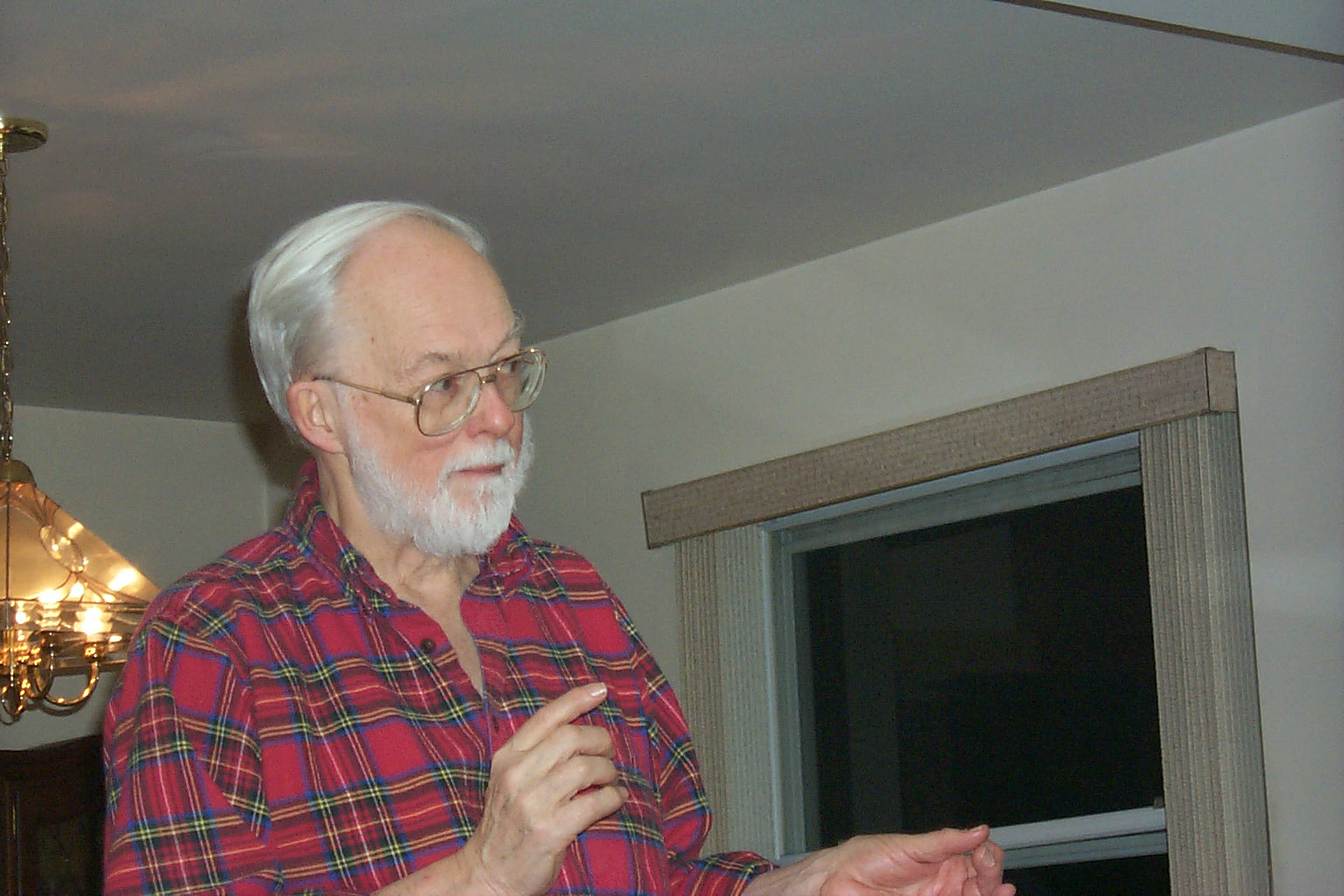
David: white man; white hair; beard; glasses; plaid shirt.
David in conversation mode.

I think anyone who has been in conversation with David will remember the twinkle in his eye when he had an interesting fact to explain. He clearly took joy in knowing things and in gaining and sharing knowledge about a wide range of topics.

And using that vast knowledge, his double-black-diamond-level research skills, and boundless energy, David took on many Goliaths. He’d dig into some reasonably obscure information source to uncover, expose, and attack abuses of power. From time to time, he would loop me in with emails that would start, “I think this would be a good class action lawsuit . . .” He would proceed to describe how his research had revealed some way in which some big guy was exploiting some little guy and then ask to brainstorm whether we could use the tools of the legal system to attack the problem.

These issues included – couple of examples over the years:  

  • Pregnant garment workers in Saipan being exploited by large garment companies. If you’ve been to Ruth and David’s house you may have seen the Doonesbury cartoon on the subject, signed to him by Garry Trudeau.
  • Abuse of a charter school system by a Turkish cult.
  • The corrupt system for unclaimed funds in Georgia, which (shockingly) favored the large company debtors rather than the individuals owed money. 
  • David’s last legal email to me came just three weeks before he passed, asking me to connect him to a lawyer who could assist an abused woman in California.

Though I never personally took on any of these cases – most were far outside my field – on several occasions I was able to connect him with attorneys to investigate the claims or make other, back-channel connections. David was always willing to work levers of power and knowledge behind the scenes. 

I’ll add – in the “we’re both giant nerds” department – we often bonded over – and shared tips for using – the PACER system, that is, the federal court system’s online docket. He was one of the only non-lawyers I knew who had his own PACER account – and assiduously tracked cases, large and small, against various Goliaths.   

David (white man; white hair/beard; trench coat) sitting at a Chinese typewriter, poised to select a slug of type.
David trying out a Chinese typewriter

Shaun Pennington, whose words Rodney just read, described David’s “superpowers: pen, intelligence, experience, trustworthiness and well-deserved respect.” I offer a friendly amendment: that’s a metaphorical pen – this David’s slingshot was his typewriter. The photos include several, from his old portable manual to the post-it covered monitor he used until a day or two before his death.  And my favorite photo:  David exploring a Chinese typewriter when he and my mother came to visit me in Taiwan. 

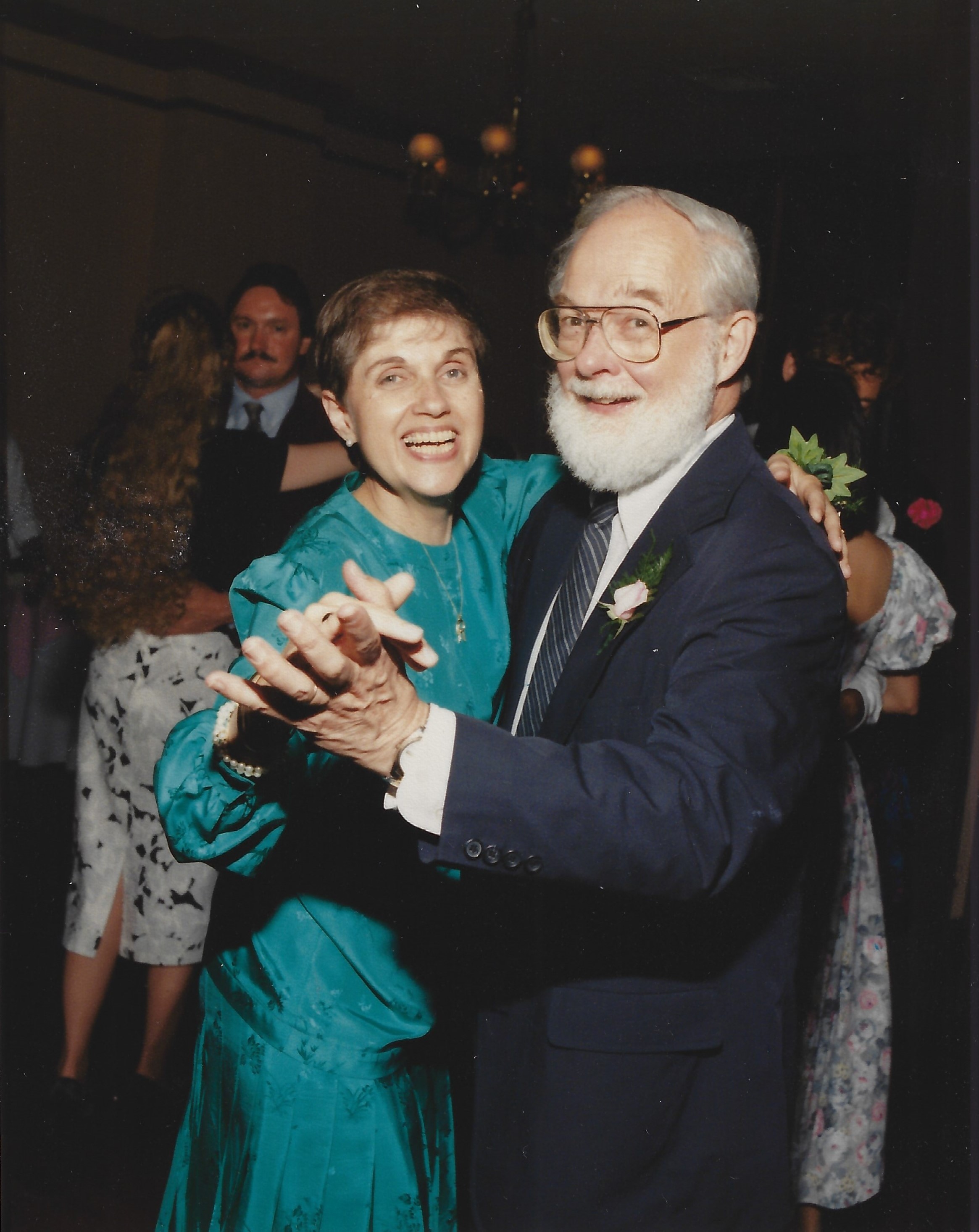
Ruth (white woman with brown hair and a blue-green dress) and David (white man with white hair and beard, wearing a suit and tie). They are dancing with beautiful smiles on both faces.
Ruth and David, dancing.

David and Ruth loved to travel – you’ll see in the photo montage a number of pictures from their travels. In fact, one of the things I noticed as I gathered and compiled the photos was their smiles:  Ruth and David clearly took immense joy in each other’s presence, whether traveling in China, Australia, the Philippines, or the Caribbean; or gathering for a meal with our wonderful, weird, ad-hoc family; or preparing lunch together in their Arlington kitchen.  Just as much as I celebrate David today, I also celebrate their wonderful, devoted, 45-year marriage.

And about that ad hoc family – I will always be grateful to David for the three additional brothers I gained through his marriage to my mother and for his willingness to welcome my father into his life and home. My parents separated in 1973 and by the late 1970s – a year or so into Ruth and David’s marriage – my father Peter was joining the crew on Kensington Street for Thanksgivings and Christmases and other random gatherings.  I’m grateful to all three of them for that. 

Image: four white men sitting outside on a deck; left to right: father Peter Robertson (white button-down shirt; glasses); husband Tim Fox (blond hair; dark sweater; wheelchair); brother Bruce Robertson (dark hair; white polo shirt); step-father David North (white hair and beard; blue polo shirt; holding wine glass).
Peter Robertson, Tim Fox, Bruce Robertson, David North

To hijack the words and metaphor of Buckminster Fuller – and trust me, I would not have known this but for the work of my friend Unyong Kim – David was a trim-tab. That is a very small piece of metal on the edge of a ship’s rudder that can change the direction of a very large ship. Fuller himself used it as a metaphor for the impact one individual can have on society’s problems. David, through all of his work, large and small, had an outsized impact on so many lives – and specifically mine, as a wonderful, smart, supportive stepfather. Miss you very much, David. 

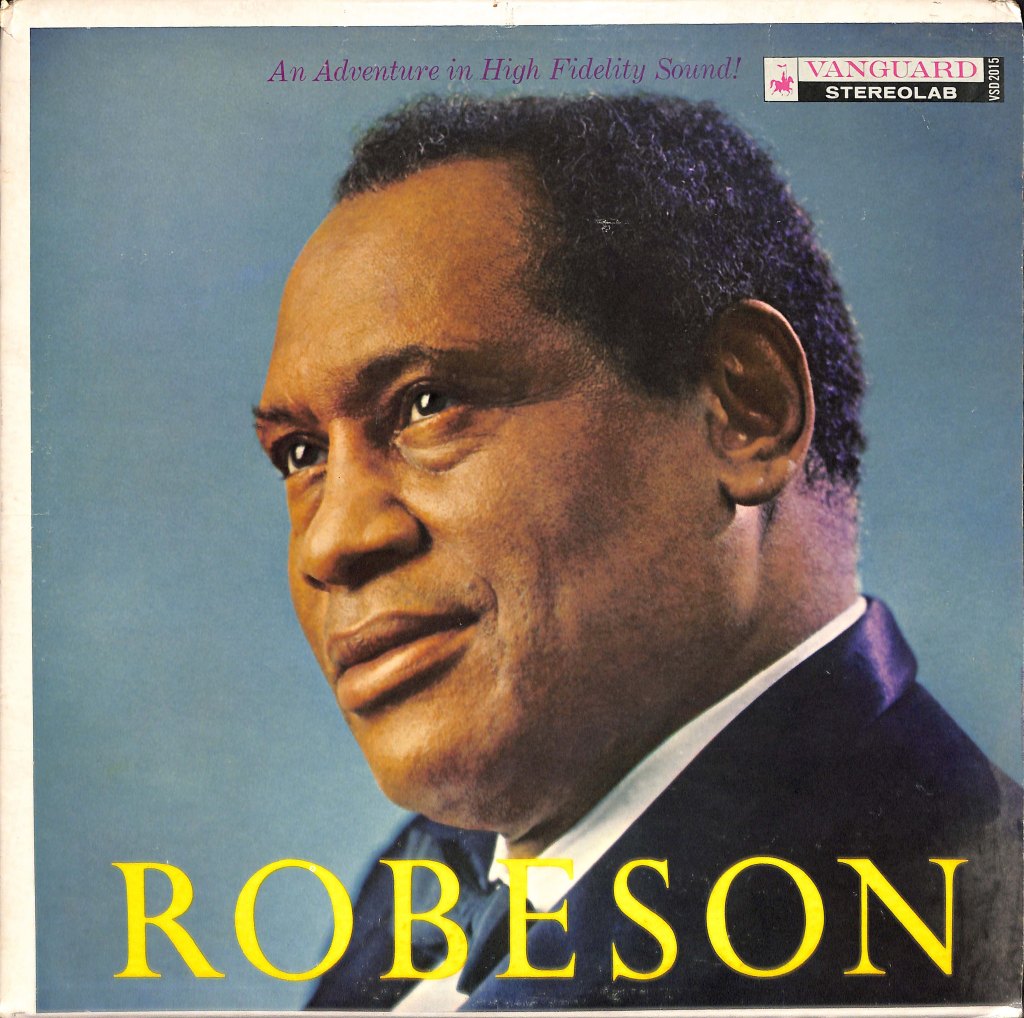
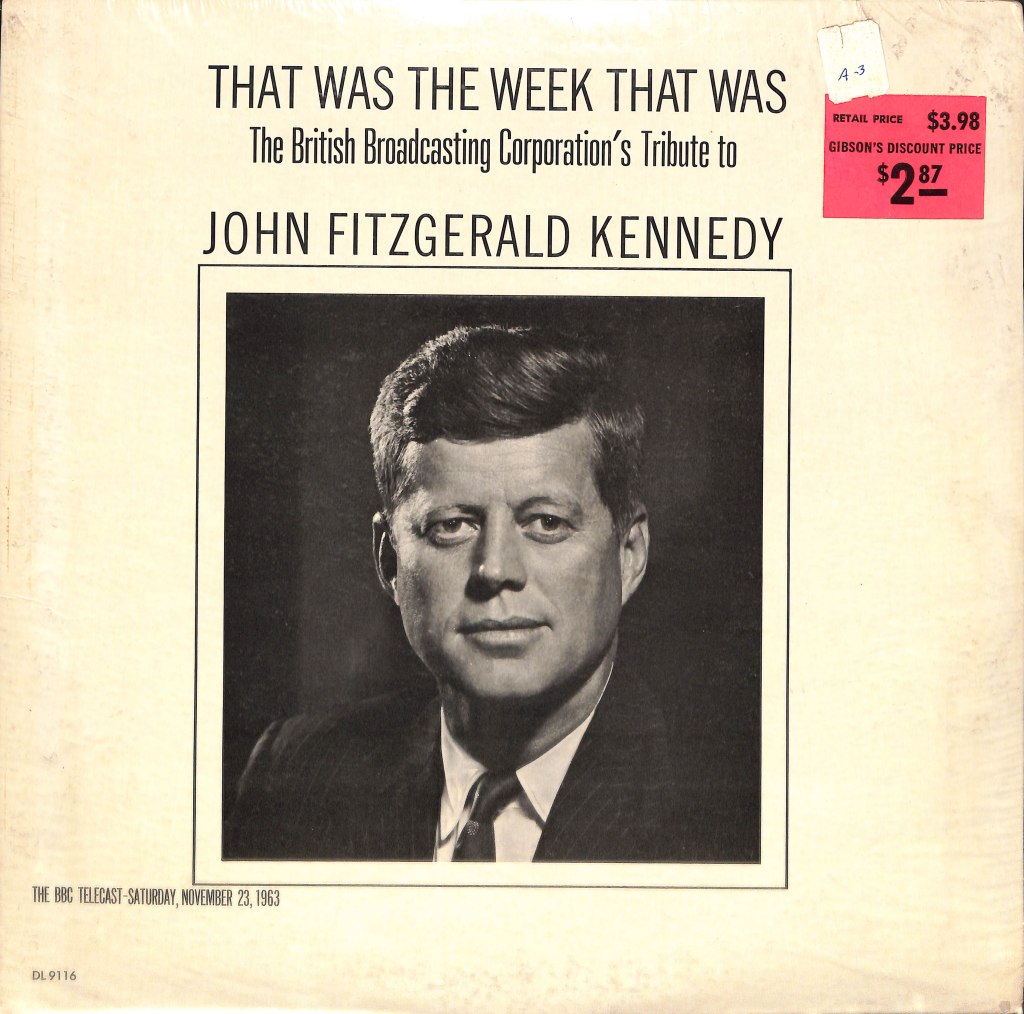
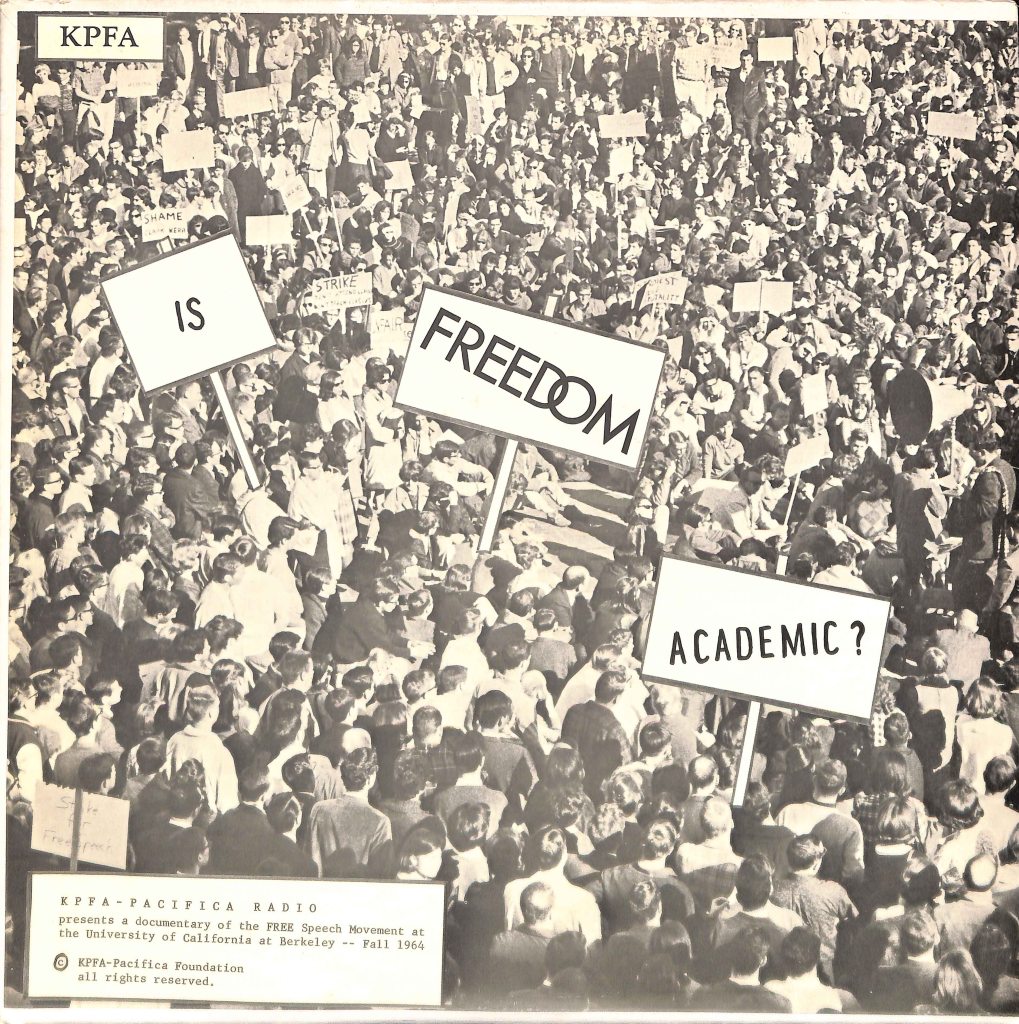
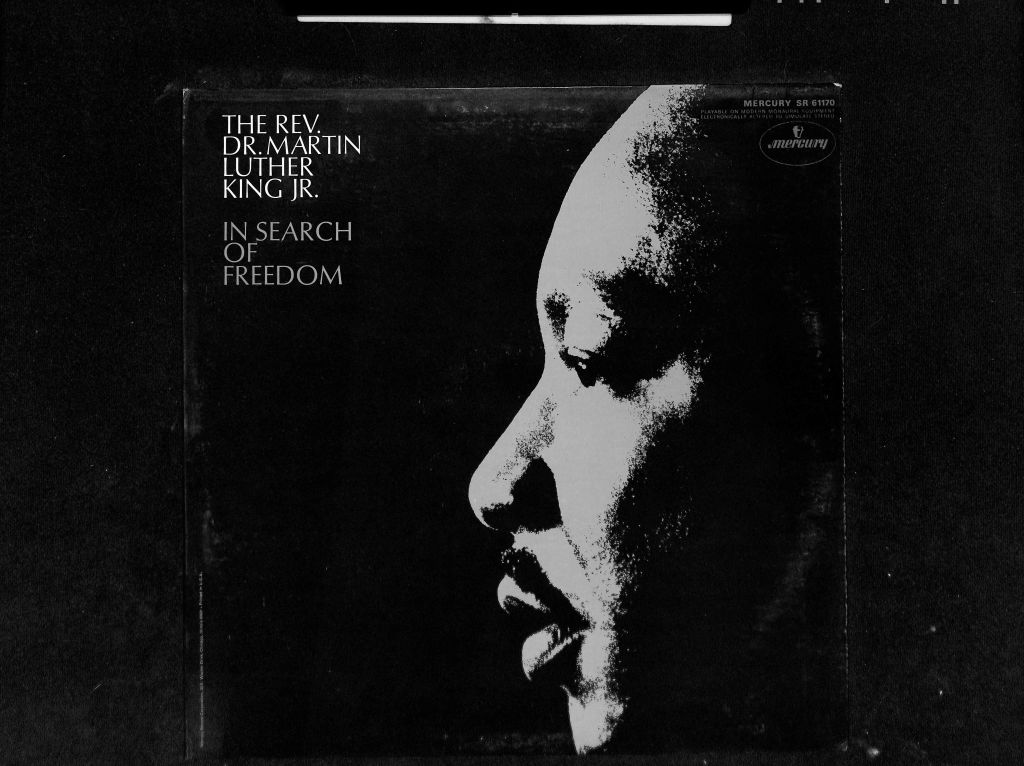
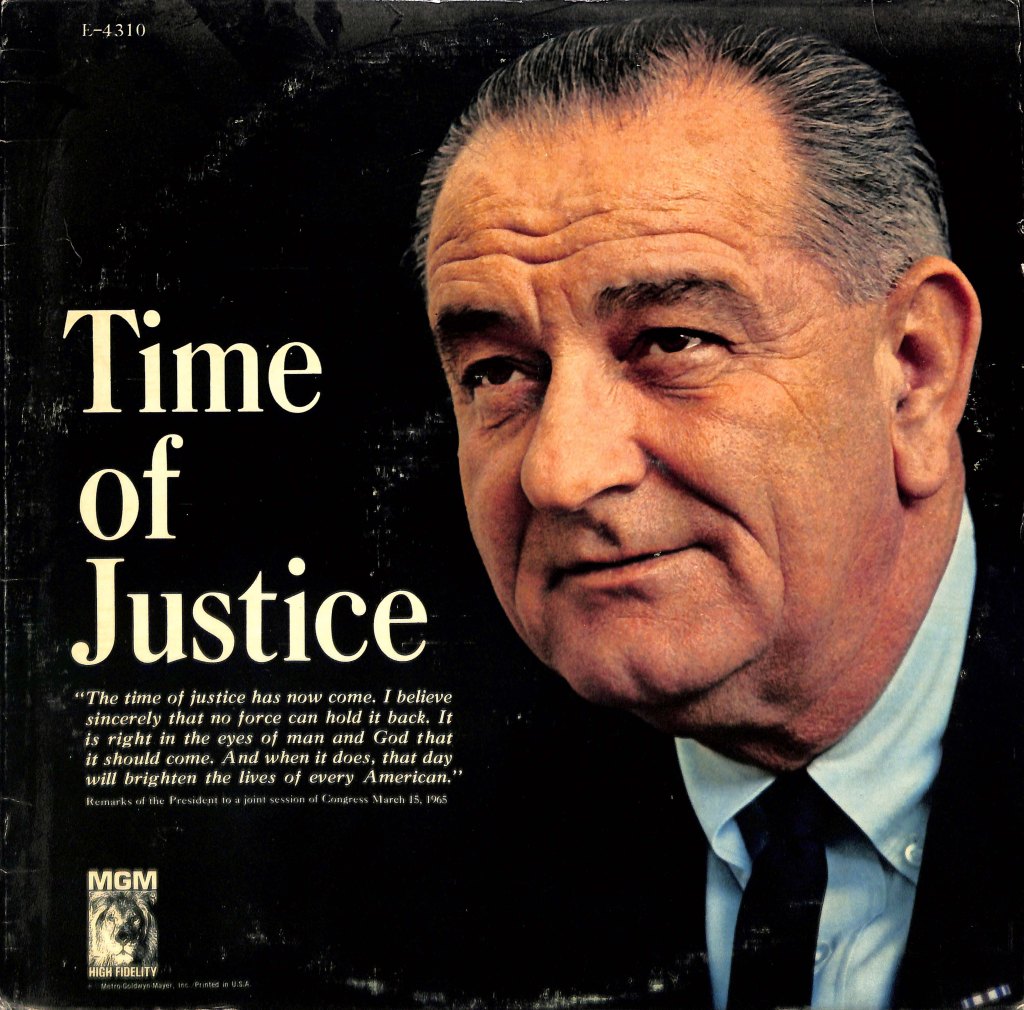
My father’s LP collection: folk songs, train songs, civil rights songs, Russian songs, and a bunch of political nerdery.

[Cross-posted at Peter C. Robertson Archive.]

My father couldn’t carry a tune with a forklift, but boy did he love to sing. I have hilarious memories of him encouraging us to sing in the car, with the result that he and I would belt out “Roll On Columbia” together while my more musically-astute mother and brother cringed in their respective seats. After Dad passed in 1997, I got his collection of LPs, which I stored and moved and lugged around thinking I’d transfer them to digital media someday. Of course not. This year, I gave them to the Colorado Cross-Disability Coalition where they will feature in future fundraising efforts — stay tuned! Before sending them along, I took photos of some of the most memorable, most Dad-resonant, of the covers.

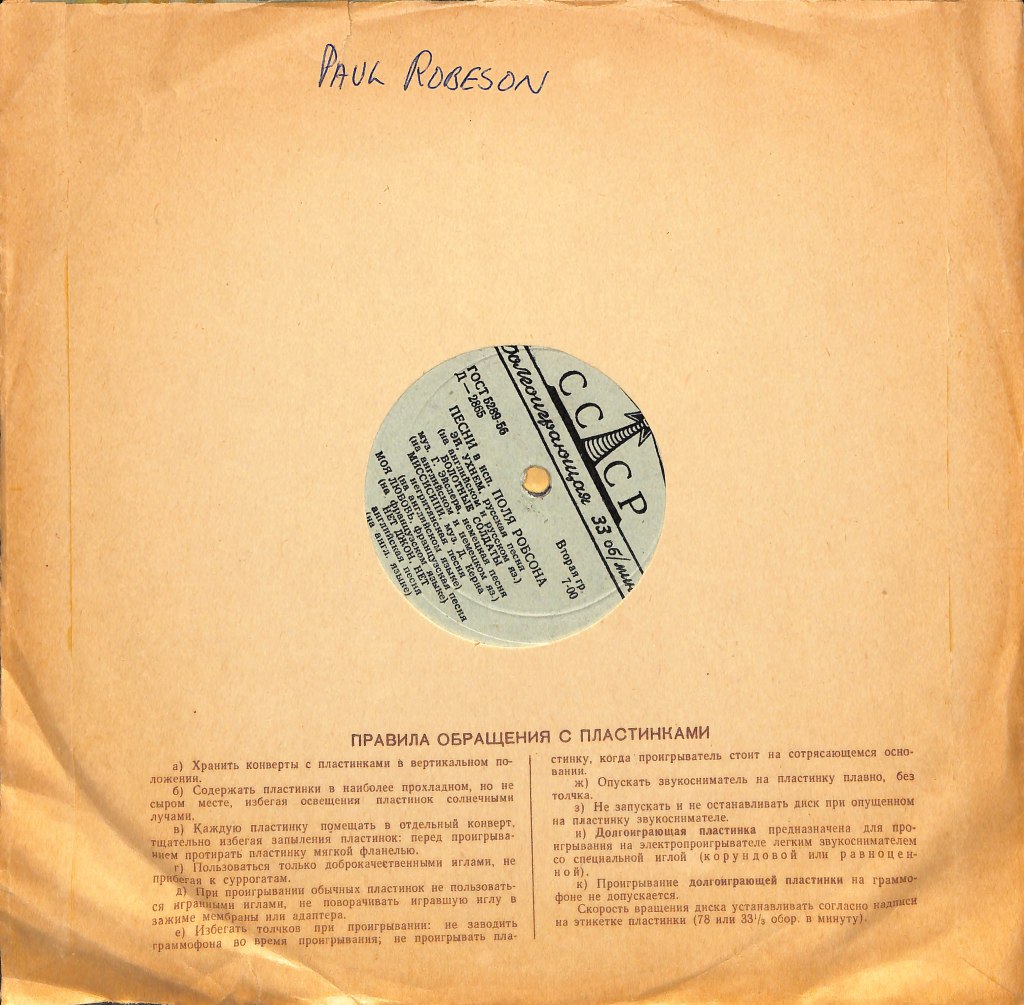
His collection consisted of folk songs; political songs (big overlap with folk songs); train songs; spirituals; historical songs; historical speeches and voices; comedy (I swear to God we had George Carlin’s Seven Words on LP but I couldn’t find it); two children’s records; and a number of records in Russian including Paul Robeson and the Red Army Chorus.

Note: All of the images below have alt text describing both the images and text on the pictured LP covers.

Folk Songs & Political Songs starting with his all-time favorite singer, Pete Seeger. Note that the Darling Corey album was so old he was called Peter Seeger.

Political/topical songs:

Train songs:

Paul Robeson, in English and Russian

And

Political speeches and voices, starting with Adlai Stevenson and Chester Bowles, two quixotic campaigns to which my Dad devoted a lot of time and energy:

This astonishing record in which various stars of the day spoke about the EEOC and Title VII of the Civil Rights Act of 1964, the agency and statute to which my father devoted his entire professional life.

And more history and political nerdery:

Comedy:

Two children’s records, which I remember fondly, though I regret that the delightful teachings of the Philadelphia Orchestra, Cyril Richard, and Benjamin Britten in the “Peter and the Wolf Young Person’s Guide” did not really stick.

And finally, three more records in Russian, two of which I can identify from my father’s handwritten notes — the Folk Song Chorus from Omsk and the Red Army Chorus — and the third my Russian-fluent mother has informed me is gypsy music.

Adventures in Discrimination and Intimidation at the Marriott Courtyard Santa Fe

Below is the guts of the letter we sent to Marriott and Fine Hospitality Group, the management company at the Marriott Courtyard Santa Fe. We had reserved a room at the Santa Fe Courtyard Marriott for March 15 and 22, on our way to and from a vacation in Phoenix.  On the 15th, our request for an accommodation under the Americans with Disabilities Act resulted in a police response.

I want to preface this by recognizing that we have a weird sort of privilege — the “sitting in a hotel room waiting for the police to arrive without fearing for your life” privilege — that made this incident stressful and illegal but not, ultimately, fatal. This does not reduce the extreme danger hotel personnel were willing subject their guests to in pursuit of an ADA violation.

Update: The Fine Hospitality Group (not Marriott) reached out and the upshot was that they comped us that night and (in theory) a future night, and promised discipline for the manager and training for staff.

Here’s what happened:

After we checked in and got to the room, it became clear that the bed was too low for Tim to be able to easily transfer in or out from his wheelchair. This is a fairly common problem that can be solved by either putting blocks under the legs of the bed or adding a second mattress on top. We called the front desk, requested this modification and were told “no.” The staff member explained that the way the bed was set up did not permit adding anything to raise the legs of the bed. We suggested that a second mattress could be placed on top of the first; this suggestion was rejected out of hand (“no”). We asked if there were any extra mattresses in the hotel. “No.” (This seems unlikely but who knows.) We asked if there were any empty rooms from which a mattress could be moved. “No.” The staff person then asked if we wanted to talk with the General Manager. Yes, we said, we would.

The General Manager got on the phone and we went through a similar litany of requests and refusals, but the GM added that the room was set up precisely as required by the ADA and therefore could not be altered. As an initial matter, this is not true: ADA regulations and standards do not prescribe a minimum or maximum bed height. But it also doesn’t matter. In addition to requiring certain basic physical and architectural configurations, the ADA also requires that businesses provide reasonable modifications to policies, practices, and procedures. I explained this to the GM, who continued to insist that the room was as legally required and no changes could or would be made. We explained that we were lawyers who were familiar with applicable law, and that this simply was not true. He stood firm on his refusal to make the required modification. Sensing that this conversation would not result in the modification we needed, we said that we’d deal with the room as it was set up but would take up the matter with Marriott’s legal department. We all rang off.

The staff person, the GM, and both Tim and I were entirely calm throughout the call. We were all firm in our respective positions, but no voices were raised, no inappropriate language used, and no threats made.

Less than a minute after the call ended, the GM knocked at our door and told us we would have to leave the hotel. We said no, we did not intend to do that. He said he would call the police.

Approximately 20 minutes later, four fully-armed officers from the Santa Fe Police Department knocked at our door.  We invited them in and Tim explained the above interactions and expressed our desire – it was by that time around 9:10 p.m. – to stay in the hotel so we would not have to pack up and try to find an accessible hotel at that time of night. One of the officers asked what threats we had made. Tim explained that there had been no threats. The officer informed us that the GM had told the police that we had threatened to go door-to-door through the hotel, knocking on doors and harassing guests. There is no other way to characterize this than as a lie, and a dangerous one in that it was used to invoke police intervention in an otherwise calm albeit disappointing interaction. Tim explained to the police that we had not done this, and that it would make no sense for us to anger other hotel guests, who had nothing to do with the situation.

It was my impression that the police were somewhere between puzzled and bemused that they had been called out to discuss wheelchair accommodations. They were professional and friendly throughout.

After the officers had heard us out, one of the officers went to negotiate with the GM on our behalf. The officer returned to say that the GM would “allow” us to stay provided there were no further “issues or threats.” Although, given the exchanges that had brought us to this point, this was a pretty humiliating request, we agreed, the officers left, and we stayed the night.

This entire interaction violated both the requirement to make reasonable modifications to policies, practices, and procedures, 42 U.S.C. § 12182(b)(2)(A)(ii), and the prohibitions on retaliation for opposing discrimination and interference with and intimidation of people exercising or attempting to enjoy their rights under the statute, id. § 12203(a), (b). Indeed, calling the police is at the extreme end of interference and intimidation.

In our letter to Marriott and the management company, we proposed several measures to address this discrimination:

  1. Training for all staff of the Santa Fe Courtyard on the requirements of the ADA, and specifically the requirements for reasonable modifications;
  2. Communication to all U.S.-based Marriott and franchisee/licensee staff that, under no circumstances, are they to involve law enforcement in the discussion of the accommodations and modifications needed by guests with disabilities;
  3. Reprimand to go into the personnel file of the General Manager (whose name we never got); and
  4. Refund of our payment for the room on March 15 (we have, of course, cancelled our reservation for the return trip and will not be staying at that hotel in future trips to Santa Fe).

Stay tuned! I’ll update the post if we receive a substantive response from Marriott or Fine Hospitality Group.